

Tech & Society
The $25 Billion Price of a Broken Promise
A New Mexico judge just handed Meta the biggest penalty in its history — not for a breach, but for what it told users. That distinction should worry every company that writes a privacy policy.
Research library
Browse published analysis from ExpertStack authors and reviewers.
A New Mexico judge just handed Meta the biggest penalty in its history — not for a breach, but for what it told users. That distinction should worry every company that writes a privacy policy.

While discussions on the topic persistently centre around the prospect of robots presiding over criminal trials or making sentencing decisions, there is another trend worth noting. Namely, AI-generated language tools are increasingly taking care of police reports, transcripts, and summaries.

A Wired investigation into thousands of AI-generated web apps leaking medical, financial and strategic data shows that the real vulnerability is not bad code. It is software that no one in the organisation knows exists.

Discover how AI-driven profilers can transform Android performance debugging from manual trace analysis into continuous, evidence-based investigation. Learn how machine learning, generative AI, and automated experiments can detect regressions, identify root causes, and deliver measurable improvements developers can trust.

The constraint on software delivery has moved from producing code to understanding it. Most org charts have not noticed.
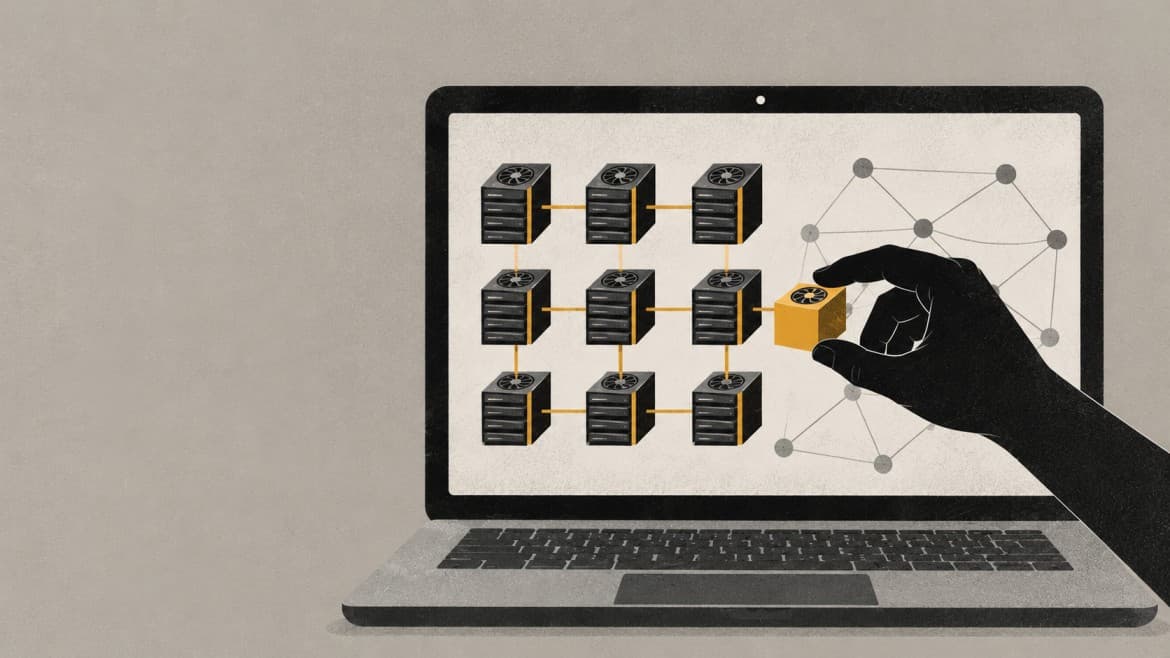
Everyone benchmarks the accelerator. Almost nobody benchmarks what happens when one of sixteen thousand accelerators stops answering. In large synchronous systems, the unit of failure is the job, not the chip, and the fleet’s real efficiency is set by how fast the layers around the GPU can detect, contain and recover from that fact.

Outstanding engineers are still important. The difference lies in the multiplier of the engineer – and how wrong our measures are in placing it.
The newest SwiftUI release isn't just about convenience APIs, it marks another step in Apple's long-term effort to make declarative UI suitable for professional, document-heavy, and performance-critical applications.
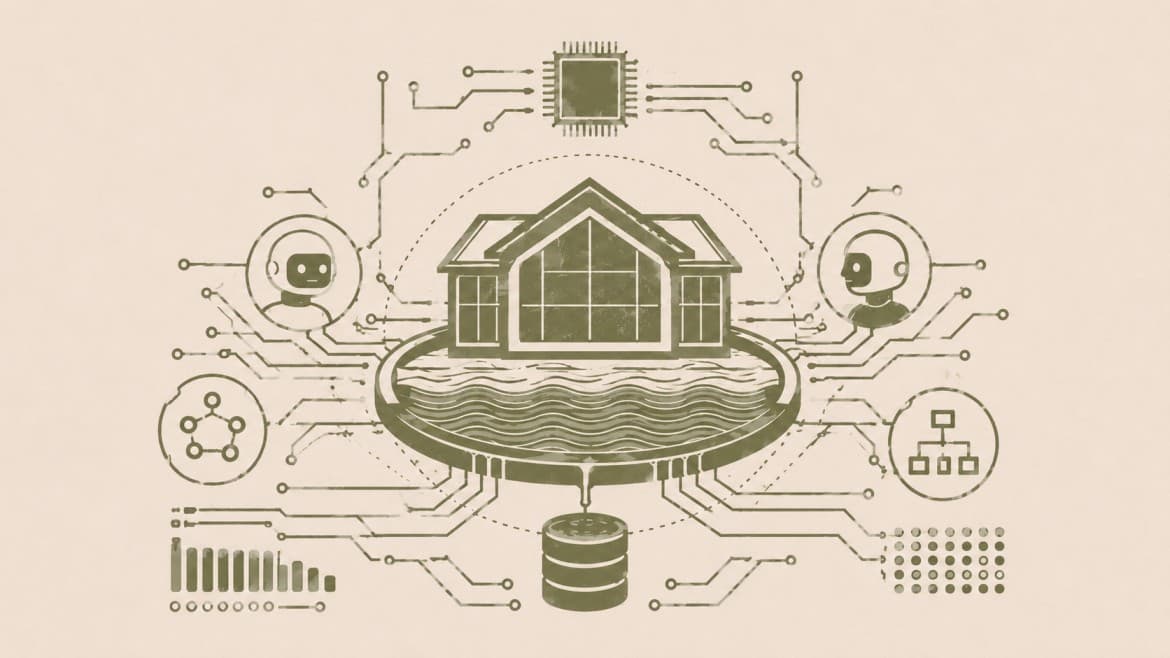
The metaphor is useful in exactly four places, and misleading everywhere else. Knowing which is which decides whether your agents are trustworthy.

AI’s real impact on product management is not faster documentation but turning AI into a context-aware collaborator that strengthens human judgement.
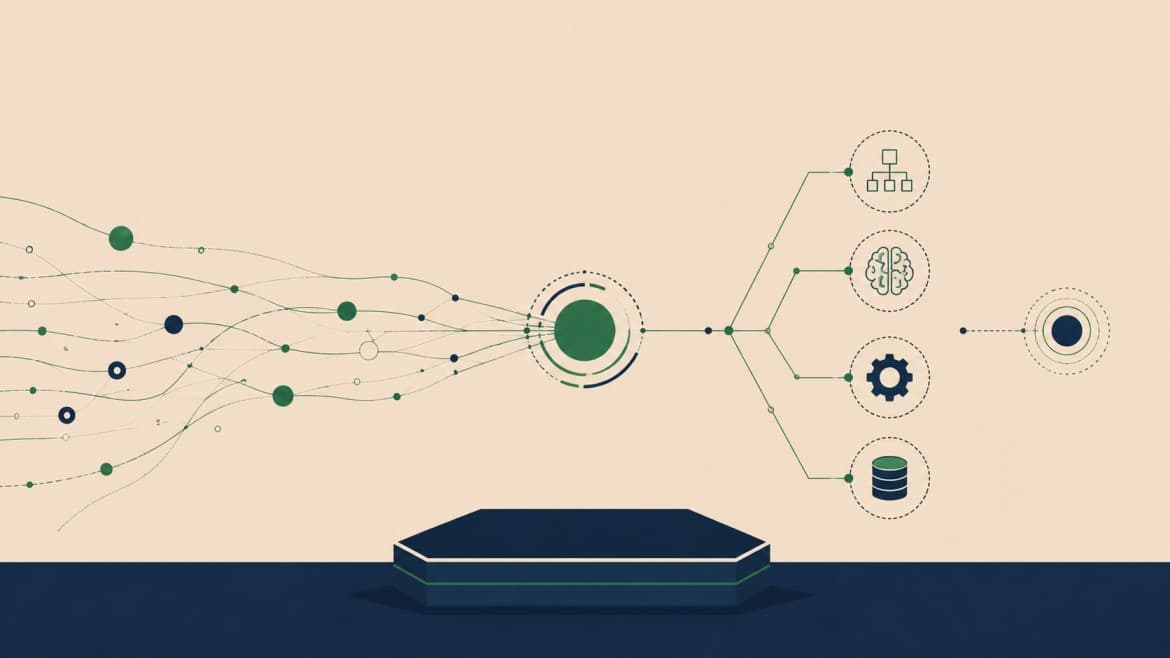
A step-by-step guide on adding Agentican workflows to Quarkus applications using the Agentican framework, using YAML and annotations.

A thought experiment about friction, taste, and whether a machine can join a revolution.